The Rise of Ketone Products: A Detailed Look at Cutting-edge Science
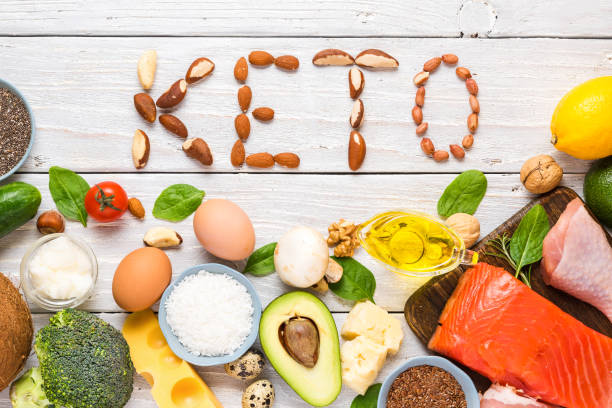
Ketosis represents one of the most fascinating metabolic mechanisms in the human body. This normal state, once mainly associated with existence during food lack, has grown into the foundation of multiple health and weight reduction approaches. At the heart of this process is Beta-Hydroxybutyrate (BHB), a potent molecule that serves a crucial role in turning stored fat into accessible energy. This article delves into the sophisticated science behind ketosis and how BHB functions as the key that activates your body's fat-burning potential.
Understanding Metabolic States: The Glucose-Ketone Switch
The human body usually depends on glucose (sugar) as its principal energy source. Obtained from carbohydrates in our diet, glucose delivers readily usable fuel for our cells, especially the brain. However, our bodies contain a impressive adaptive mechanism that triggers when glucose access reduces.
When carbohydrate intake is substantially reduced or during lengthy fasting, blood sugar levels drop, initiating a sequence of hormonal changes. Insulin levels diminish while glucagon and epinephrine increase, telling the liver to commence breaking down stored fat into fatty acids. These fatty acids are then carried to the liver, where they go through a process called beta-oxidation.
This metabolic switch—from glucose dependence to fat utilization—marks the initiation of ketosis, a normal adaptation that helped our ancestors endure food limitation and seasonal variations in food access.
The Role of BHB in Ketosis
Beta-Hydroxybutyrate (BHB) is the most abundant of the three ketone bodies formed during ketosis (the others being acetoacetate and acetone). As fatty acids flow into the liver during carbohydrate restriction, they're broken down into acetyl-CoA units. When these units surpass the liver's ability to process them through the citric acid cycle, they're diverted to ketogenesis—the formation of ketone bodies.
BHB distinguishes itself among ketone bodies for various reasons:
Energy Effectiveness: BHB produces more ATP (energy currency) per molecule than glucose, making it a very efficient fuel source.
Constancy: Unlike other ketone bodies, BHB remains stable in the bloodstream, allowing for dependable transport throughout the body.
Blood-Brain Barrier Crossing: BHB effortlessly crosses the blood-brain barrier, providing essential energy to the brain when glucose is limited.
Signaling Functions: Beyond its role as fuel, BHB functions as a signaling molecule, affecting gene expression and cellular processes.
The creation and use of BHB embody a sophisticated evolutionary adaptation that enables humans to prosper during periods of limited carbohydrate supply.
The Biochemistry of Fat Transformation
The conversion of stored body adipose tissue into ketones incorporates several intricate biochemical pathways:
Lipolysis: Initiated by low insulin levels, hormone-sensitive lipase decomposes triglycerides in fat cells (adipocytes) into free fatty acids and glycerol.
Beta-oxidation: The freed fatty acids move to the liver, where they're split into two-carbon acetyl-CoA units through a process called beta-oxidation.
Ketogenesis: When acetyl-CoA accumulates beyond what the liver can manage through the citric acid cycle, these units are redirected to form ketone bodies—primarily acetoacetate, which is then either transformed to BHB or spontaneously broken down to acetone.
Distribution: BHB enters the bloodstream and moves to tissues throughout the body, including the brain, muscles, and heart.
Energy Production: Cells take up BHB and transform it back to acetyl-CoA, which enters the citric acid cycle to create ATP, furnishing energy for cellular functions.
This metabolic pathway allows the body to utilize fat stores, converting them into a functional energy source that can energize even the brain—an organ that typically relies greatly on glucose.
Ketosis vs. Ketoacidosis: Comprehending the Difference
It's crucial to tell apart between nutritional ketosis—a controlled, beneficial metabolic state—and diabetic ketoacidosis, a hazardous condition primarily affecting people with type 1 diabetes.
Nutritional Ketosis:
Blood ketone levels generally range from 0.5-3.0 mmol/L
Controlled by insulin and other hormones
pH continues within normal range
Associated with steady blood sugar levels
Diabetic Ketoacidosis:
Blood ketone levels often go beyond 20 mmol/L
Occurs due to serious insulin deficiency
Results in harmful blood acidification
Accompanied by exceedingly high blood sugar levels
This distinction emphasizes why nutritional ketosis, when properly implemented, serves as a safe and effective metabolic approach for many individuals.
The Benefits of BHB and Ketosis
Investigation continues to find numerous benefits associated with ketosis and elevated BHB levels:
Enhanced Fat Metabolism: The most clear benefit is increased ability to consume stored fat for energy, potentially helping weight management efforts.
Steady Energy: Unlike the highs and lows associated with glucose metabolism, BHB supplies a more consistent energy source.
Reduced Inflammation: Research suggests BHB may decrease NLRP3 inflammasome activation, potentially lowering inflammation throughout the body.
Improved Cognitive Function: Many individuals note enhanced mental clarity during ketosis, possibly due to the brain's optimal use of ketones and reduced inflammation.
Appetite Regulation: Ketosis naturally suppresses appetite through multiple mechanisms, involving the effects of ketone bodies on hunger hormones.
These benefits explain why many individuals looking for effective weight management solutions turn to ketosis support products that help facilitate this metabolic transition.
Supporting Ketosis: Natural and Supplemental Approaches
Obtaining and sustaining ketosis can be approached through several methods:
Dietary Approaches
The typical approach entails significantly reducing carbohydrate ingestion (typically below 50g daily) while increasing consumption of healthy fats and maintaining adequate protein. This dietary pattern, often called a ketogenic diet, pushes the body to transition toward fat metabolism.
Intermittent Fasting
Lengthy periods without food naturally drain glucose stores and stimulate ketone production. Various fasting protocols, from time-restricted eating to longer fasting periods, can cause mild to moderate ketosis.
Exogenous Ketones
Modern BHB-based weight management products provide exogenous (external) ketones, typically in the form of BHB salts connected to minerals like sodium, calcium, and magnesium. These advanced craving control supplements supplements can:
Boost blood ketone levels quickly
Aid the transition into ketosis
Furnish additional electrolytes that may be lost during the adaptation phase
Support minimizing symptoms associated with the transition to ketosis
The rising market for metabolic ketone supplements reflects growing consumer awareness of ketosis benefits and the need for solutions that support this natural metabolic state.
Optimizing the Ketogenic Process
For those considering ketosis for weight management, several factors can enhance results:
Adequate Hydration: Increased water intake is vital during ketosis, as water is freed when glycogen stores are depleted.
Electrolyte Balance: Maintaining proper levels of sodium, potassium, magnesium, and calcium is crucial for stopping common side effects like muscle cramps and fatigue.
Gradual Transition: Slowly reducing carbohydrate consumption over several weeks may decrease adaptation symptoms compared to an abrupt change.
Quality Protein: Consuming adequate, high-quality protein helps sustain muscle mass during weight loss.
Support Supplements: Natural ketosis enhancers formulated with BHB salts and complementary ingredients can support the transition into ketosis and maximize results.
Many individuals find that high-quality premium ketone supplements deliver valuable support during this metabolic transition, especially during the initial adaptation phase when some may experience temporary fatigue or brain fog.
The Future of Ketosis Research
Scientific attention in ketosis and BHB continues to increase beyond weight management. Emerging research areas include:
Potential neuroprotective effects in conditions like Alzheimer's and Parkinson's disease
Applications for metabolic disorders and insulin resistance
Performance benefits for specific types of athletes
Longevity and cellular rejuvenation pathways
Therapeutic applications for certain cancers that rely heavily on glucose metabolism
As our understanding of ketone metabolism deepens, new applications and more targeted approaches will likely arise, further extending the potential benefits of this remarkable metabolic state.
Conclusion
The science of ketosis constitutes a fascinating intersection of evolutionary biology, biochemistry, and modern health science. By comprehending how BHB transforms fat into energy, we acquire appreciation for the body's remarkable adaptive capabilities and the potential applications for health optimization.
Whether undertaken through dietary changes, fasting protocols, or aided by exogenous ketones, the ketogenic state presents a scientifically-grounded approach to fat metabolism that continues to acquire research support and practical applications.
As with any significant metabolic approach, individual responses differ, and consultation with healthcare providers is suggested, particularly for those with existing health conditions. However, for many, examining the science-backed potential of ketosis may present valuable insights and tools for their health and weight management journey.